
Honestly, have you ever typed something into an AI tool and just stared at the screen thinking, “Wait… how the hell did it reply so fast?” I mean, you ask a tricky question, and before you even blink, the answer is right there. At first glance it feels magical, but nah… it’s actually a clever mix of training, tech, and some serious brainwork (well, machine brainwork).
Let’s break it down in the simplest way possible.
AI Has Already Done Its Homework
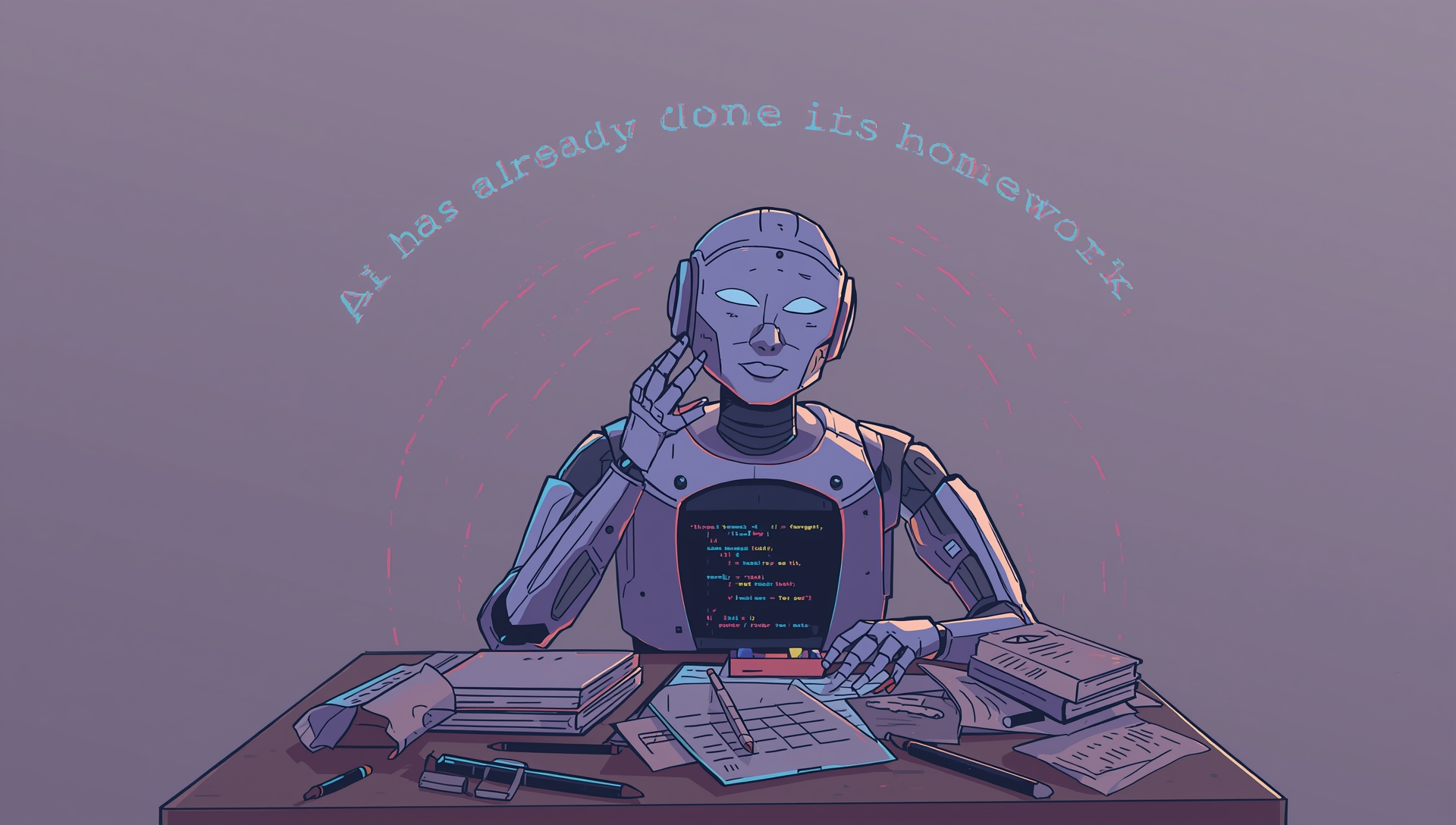
Here’s the truth: when you ask AI a question, it’s not really sitting there “thinking.” The thinking part happened months ago during training. Imagine a student who studied all night for an exam — when the teacher asks, “What’s the capital of Japan?” the kid doesn’t have to think. They just shoot back, “Tokyo.” Easy.
AI is the same. It’s already been trained on mountains of data — books, websites, articles, conversations. So when you type your question, the system just pulls from what it already knows. That’s why it looks instant.
The Machine Brain — Neural Networks
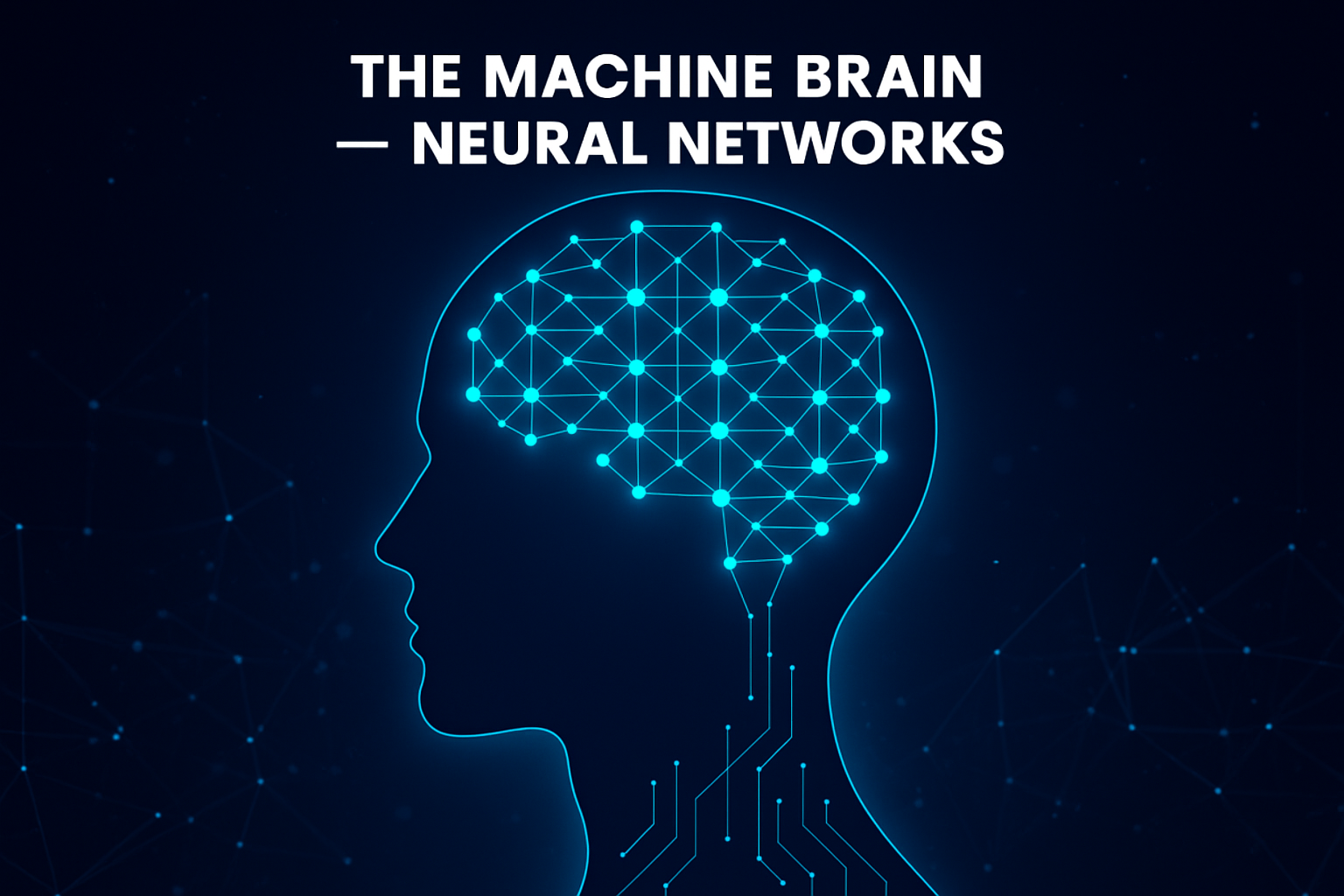
AI works on something called a neural network. Don’t get scared by the fancy term. Think of it like billions of tiny switches turning on and off at lightning speed whenever you type something. These switches are wired to recognize patterns in words.
Our brain does something similar — neurons fire when we think — except AI does it ridiculously fast. If my brain is like a bicycle, AI’s neural network is like a Formula 1 car.
Hardware That Runs Like Caffeine on Steroids
Speed doesn’t only come from training. The computers behind AI use special chips called GPUs. Unlike a normal computer chip, these GPUs can solve thousands of problems at once.
Think of it like this: If you had 1,000 math problems to solve, and you did them alone, it would take hours. But if you had 1,000 friends solving one each, you’d be done in a minute. That’s what GPUs do for AI — they break down the work into tiny pieces and solve them in parallel.
Prediction Game, Not Google Search

Here’s something most people get wrong: AI isn’t “searching the internet live” for answers. Instead, it’s playing a giant prediction game.
When you type, “Why is the sky…” the system has seen millions of sentences starting like that. It knows the next likely words could be “blue” or “red during sunset.” So it just predicts the next word, then the next, and keeps building a sentence.
That’s why it feels like it’s finishing your thought almost instantly.
Clever Tricks Developers Use
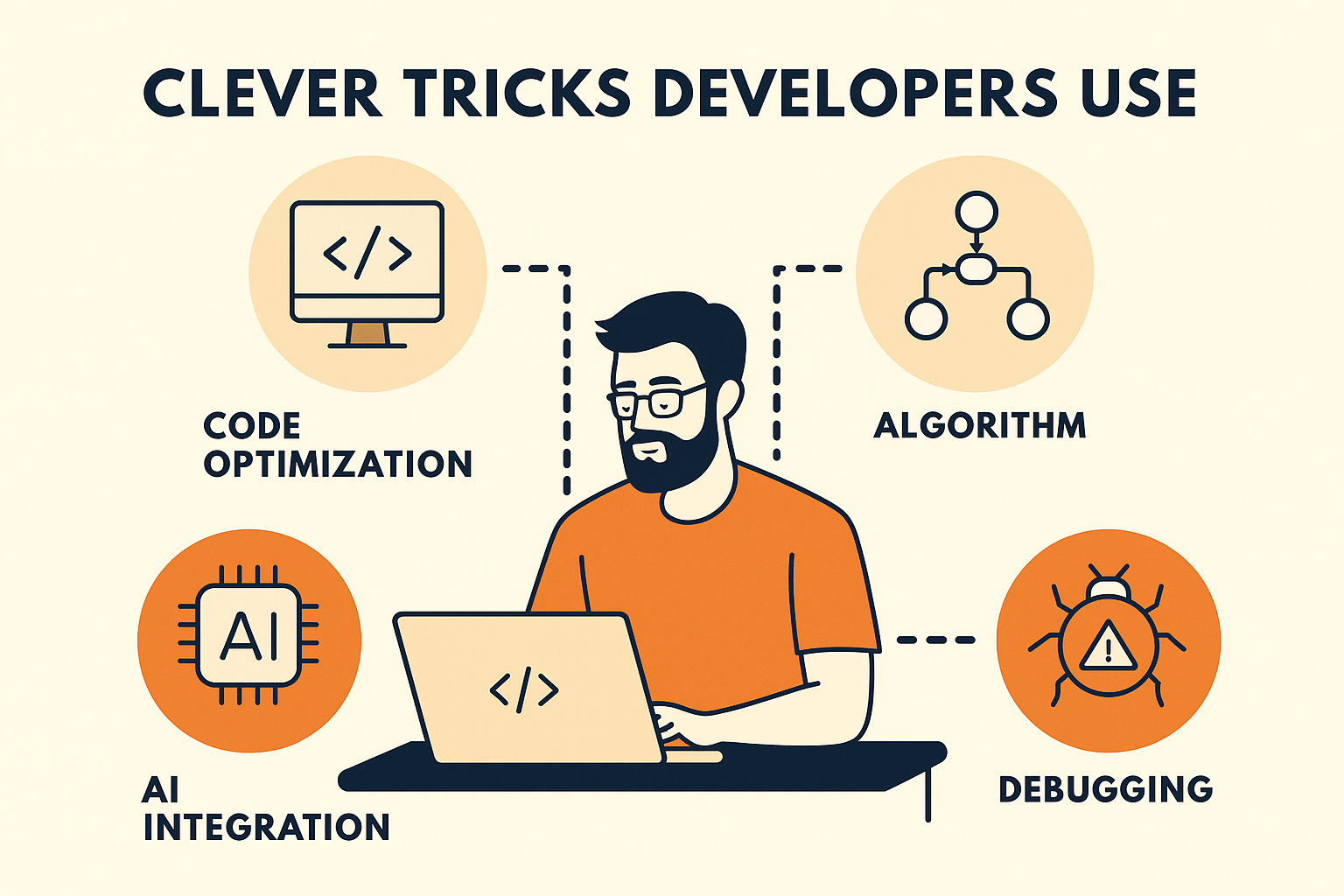
Of course, the people building AI have added some shortcuts to keep things fast:
-
Caching: If thousands of people ask the same question, the system remembers the answer.
-
Compression: Information is stored in a super-efficient way so it can be fetched quickly.
-
Optimization: Extra steps are cut out so the machine doesn’t waste time.
It’s Not Always Online

Another surprise — most AI models don’t need the internet to answer basic stuff. Once trained, they already have the knowledge. If you run a model locally on a computer, it can still answer “Who is Albert Einstein?” without looking anything up. The internet only comes in handy when updates or fresh info are needed.
But Don’t Forget… It’s Still Not Human.
Even with all this speed, AI isn’t actually understanding you. It doesn’t pause, reflect, or feel anything. It’s just finding patterns and predicting. We humans are slower, sure, but we bring emotions, judgment, and experience into the mix. Machines can’t replicate that.
Wrapping It Up

So, how does AI answer your question in one second?
* It already studied the data before you even asked.
-
Neural networks fire patterns faster than you can blink.
-
GPUs and smart hardware push the speed limit.
-
Prediction (not searching) makes it feel natural.
It might feel magical, but honestly, it’s pure engineering and design. The magic isn’t in the machine — it’s in the people who built it. And the next time you see an answer appear instantly on your screen, just remember: somewhere behind the scenes, billions of little switches and crazy-fast chips just worked their magic for you.