
When we talk about artificial intelligence, the spotlight usually falls on chatbots, self-driving cars, or futuristic robots. But let’s be honest—none of this would exist without the chips running quietly in the background. These micro-sized silicon wafers are the real powerhouses of AI, and today, they’re at the center of a global political tug-of-war.
Why Chips Matter So Much
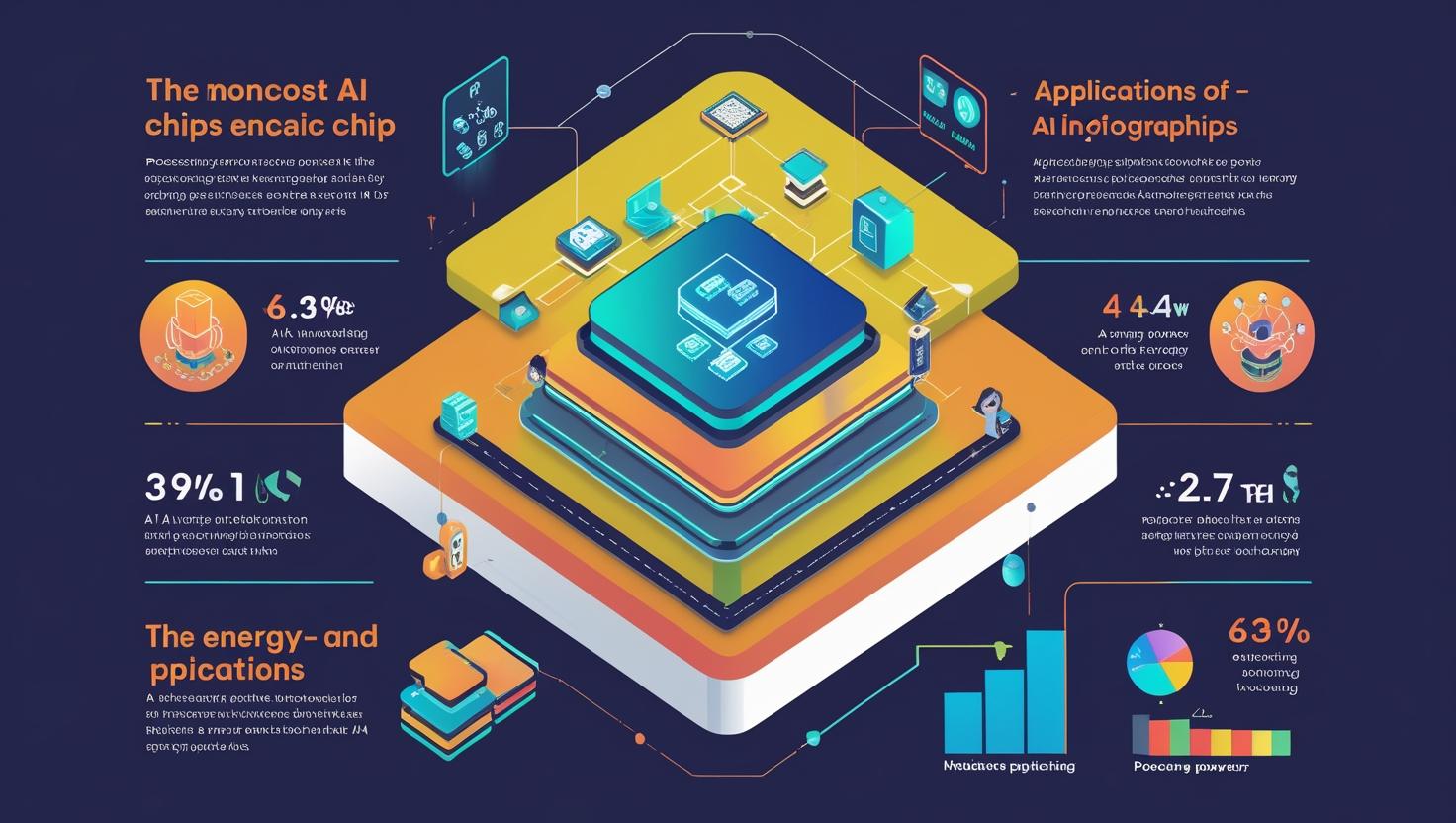
AI models like ChatGPT, Google Gemini, or China’s DeepSeek aren’t powered by magic. They run on chips—specifically high-performance GPUs (graphics processing units) and TPUs (tensor processing units). Without these, all the complex math behind machine learning would come to a halt.
Here’s the twist: only a handful of companies can actually make these chips. Nvidia designs the most sought-after AI GPUs. Taiwan’s TSMC is the world’s top chip manufacturer. And the Netherlands’ ASML produces the highly specialized machines required to print them. This concentration of power means that whoever controls the chip supply, controls the pace of AI progress.
The U.S.–China Chip Cold War
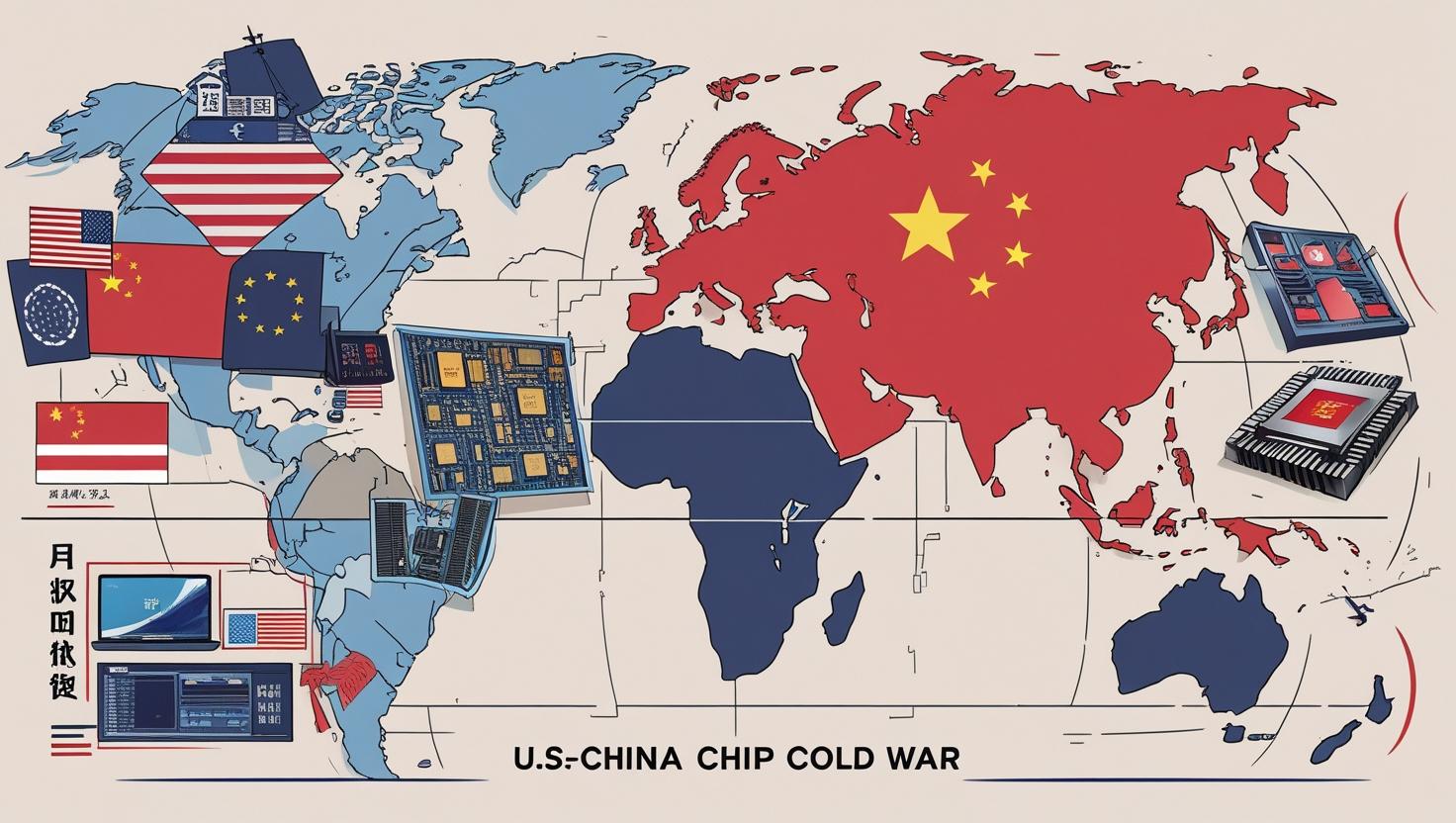
The biggest drama right now is between the United States and China. The U.S. leads in chip design, but China is desperate to catch up. Beijing has poured billions into chip research because it doesn’t want to remain dependent on American technology.
Washington, on the other hand, isn’t making it easy. Over the past two years, the U.S. has tightened export rules, blocking China from buying the most advanced GPUs. The official reason is “national security,” but the underlying motive is clear—America wants to stay ahead in the AI race.
Think of it as a new kind of Cold War. In the past, it was about nuclear weapons. Today, it’s about who gets access to the fastest chips.
The Trump–Nvidia–AMD Deal
The political twists don’t stop there. Recently, former U.S. President Donald Trump reportedly struck a deal involving Nvidia, AMD, and chip exports. The arrangement supposedly allows chip sales under certain conditions, with the U.S. government even taking a cut of the profits.
Supporters of the deal say it’s smart economics—why not let American companies earn, while keeping an eye on where the chips end up? Critics argue the opposite: this is a short-term money grab that could weaken America’s long-term advantage.
Whatever side you take, the message is clear—chips are no longer just a business product. They’re a political weapon.
Beyond America and China

It would be a mistake to think this is just a two-country story. Europe, South Korea, Japan, and India are all pushing hard to strengthen their semiconductor industries. The pandemic showed the world what happens when chip supply chains break down—factories stop, economies slow, and even car production stalls.
Now imagine the same thing with AI chips. If access becomes limited, innovation itself could slow down. Smaller startups and universities, especially in developing countries, would be locked out of the AI revolution simply because they can’t get the hardware.
What’s at Stake

At the end of the day, this isn’t just about faster processors. It’s about who gets to shape the future of AI. If only a few powerful countries and corporations control chips, then they also control the values, ethics, and directions of the AI systems the rest of the world ends up using.
That should concern everyone.
The Road Ahead

Looking forward, three things are likely:
More Government Intervention – Countries will continue treating chips like oil, guarding them with strict rules and subsidies.
Global Alliances – Expect new semiconductor partnerships, as no single nation wants to be completely dependent on another.
Faster Innovation – Companies will try to design chips that are cheaper, more energy-efficient, and easier to produce at scale.
The semiconductor race is about more than technology—it’s about global power. And in this race, even a single generation of chip innovation can tip the balance.
Conclusion
The politics of AI chips is the hidden story behind every flashy AI demo you see online. Without chips, AI doesn’t move. And because of that, semiconductors are shaping up to be the most valuable resource of the 21st century.
If data is the new oil, then chips are the engines. And whoever owns the engines isn’t just driving the future of AI—they’re driving the future of the world.