
In today’s competitive digital landscape, brands are no longer relying solely on clicks and impressions. They want to understand how the human brain responds to content, colors, sounds, and emotions — and this is where Neuromarketing comes in. Neuromarketing combines neuroscience, psychology, and marketing to decode consumer behavior and create strategies that connect at a subconscious level.
What is Neuromarketing?

Neuromarketing is the practice of studying how the brain reacts to marketing stimuli. By understanding subconscious triggers, brands can design ads, websites, and campaigns that influence emotions and drive decision-making.
For example: An ad with uplifting music and bright colors can trigger dopamine in the brain, creating a positive association with the brand.
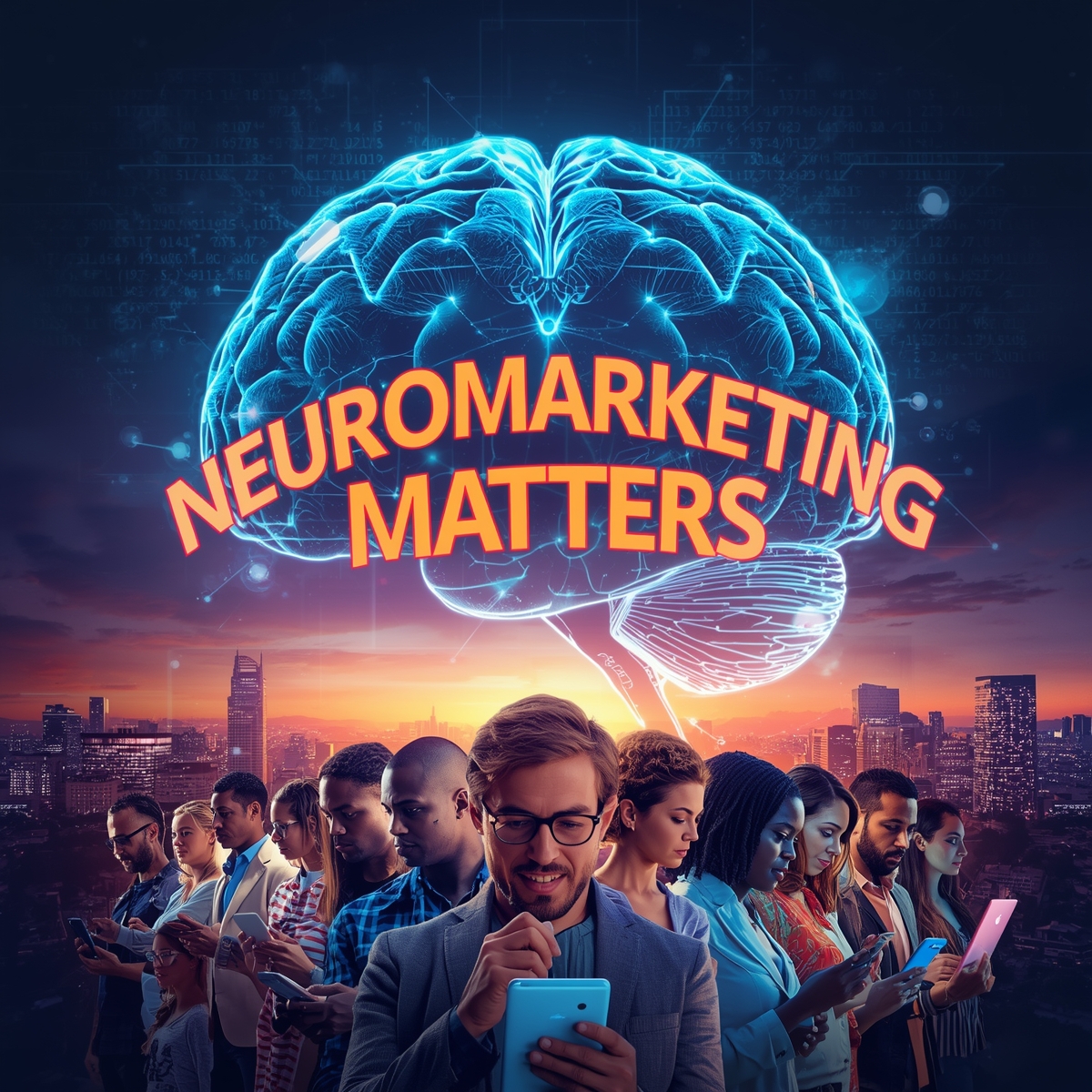
Why Neuromarketing Matters in Digital Marketing
-
Deeper Consumer Insights: Helps explain why people stop at certain ads and skip others.
-
Smarter Content Strategy: Allows marketers to use emotional triggers more effectively.
-
Optimized Campaigns: Ads can be designed for higher engagement and conversions.
-
Predictive Power: Provides clues about which campaigns or products will perform better.
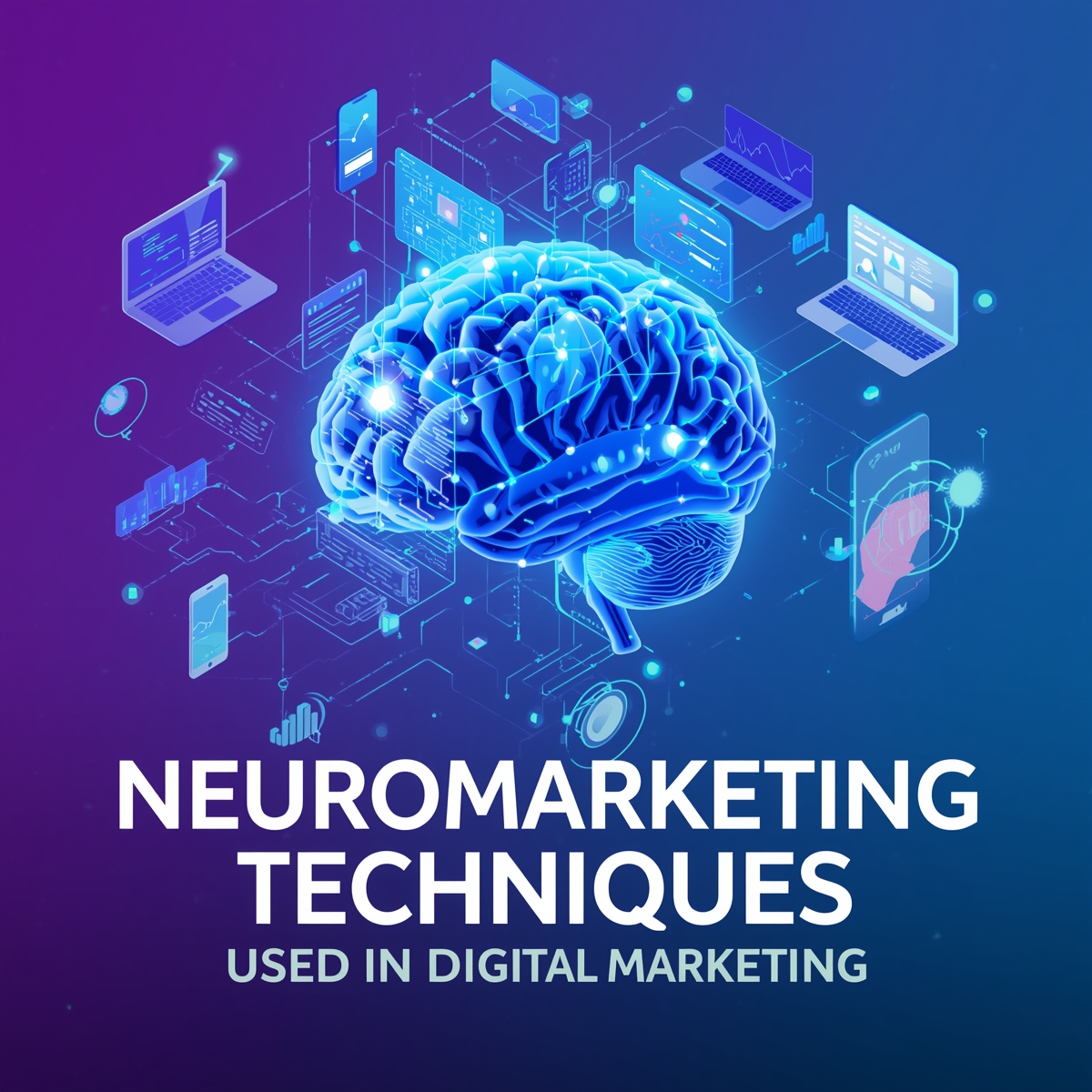
Neuromarketing Techniques Used in Digital Marketing
-
Eye Tracking: Measures where users look on a website or ad.
-
EEG (Electroencephalography): Analyzes brain signals to detect excitement or stress levels.
-
Facial Coding: Reads micro-expressions to gauge emotional reactions.
-
Color Psychology: Uses specific colors to build trust, urgency, or happiness.
Real-World Examples
-
Coca-Cola: Focuses on happiness and bonding in ads to create positive emotional triggers.
-
Amazon & Netflix: Leverage psychological principles in recommendation systems.
-
IKEA: Designs store layouts to encourage customers to spend more time — and money.
The Future of Neuromarketing
-
AI + Neuroscience: Artificial intelligence will combine brain insights with consumer data for hyper-personalized marketing.
-
AR/VR Experiences: Virtual reality will be used to test emotional responses in immersive environments.
-
Ethical Neuromarketing: Transparency and consumer consent will become increasingly important.
Conclusion
Neuromarketing is reshaping the way digital marketing works. It’s no longer just about selling — it’s about creating meaningful emotional connections. Brands that adopt neuromarketing strategies will not only capture attention but also build long-term trust and loyalty.