
You know, I often find myself wondering how exactly new medicines come into our lives. We pop pills or get shots without a second thought, but the story behind these medicines? It’s a long, winding journey that usually takes over ten years and costs an eye-watering amount of money.
Here’s the kicker that always sticks with me: about 90% of the drugs that start testing don’t make it to the finish line. That means a lot of effort, hope, and cash vanish—while people wait, sometimes for decades, for treatments that could change their lives.
Now, here’s where things get exciting. Artificial Intelligence, or AI, is stepping onto this scene—not with a bang and flashy headlines—but quietly reshaping the entire drug discovery process in ways that feel almost like magic. But it’s not magic, it’s real, and it’s changing lives. Trust me, this matters for all of us more than we might realize.
Why Is Drug Discovery So Challenging?
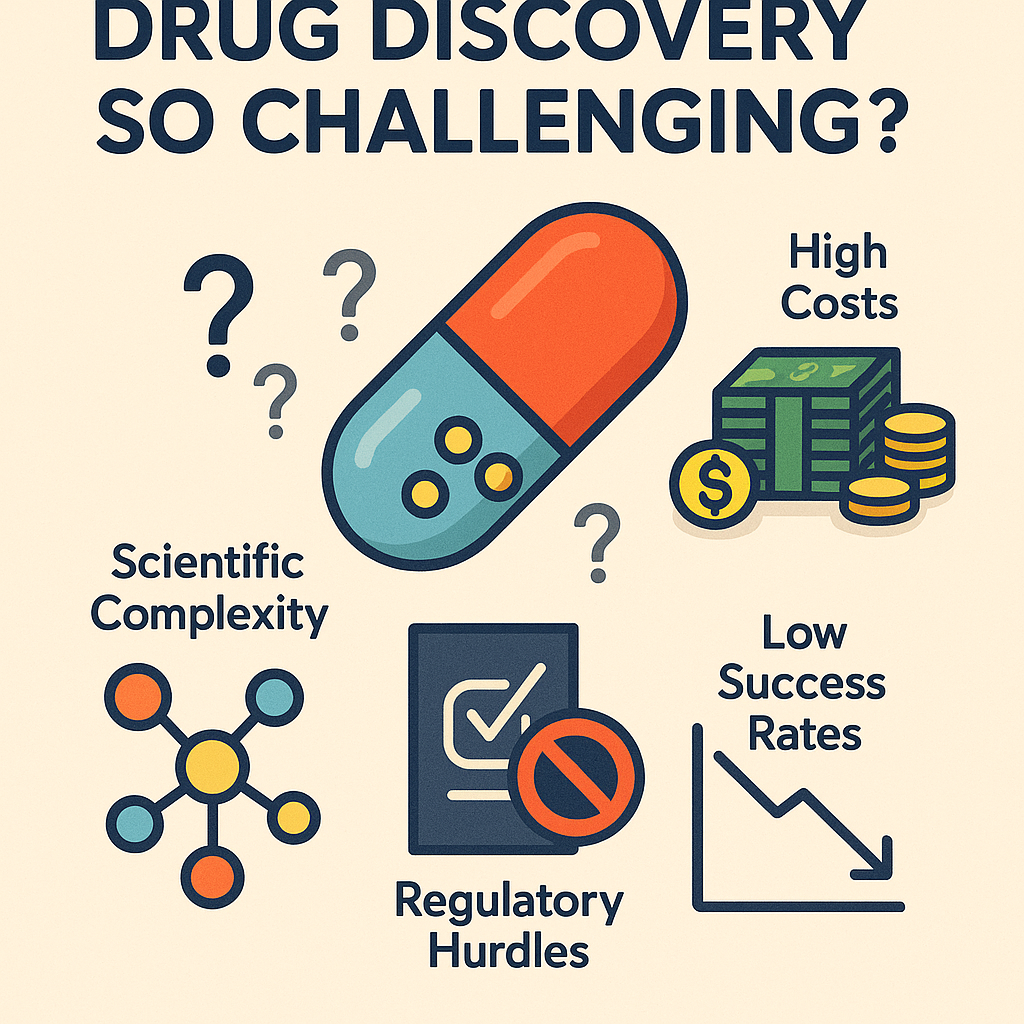
Okay, let’s break it down. Developing a new medicine isn’t as simple as mixing chemicals in a lab. First, scientists have to find a “target” in the human body that’s responsible for a disease—a specific molecule or pathway that the drug can act upon. Then, they search for or design a molecule that can connect perfectly with this target to fix or halt the problem.
Now, imagine trying to find the perfect key for one lock—but you don’t even know how many keys there are. Millions? Billions? It’s a huge needle-in-a-haystack situation.
Once a promising molecule is found, it’s put through years of rigorous testing—preclinical and clinical trials—to make sure it’s safe and effective. And the sobering truth? Most of these medicines fail at some stage in this process. That’s frustrating for patients waiting for cures and devastating for the teams who poured heart and soul into the research.
Enter AI: The Tireless Research Partner
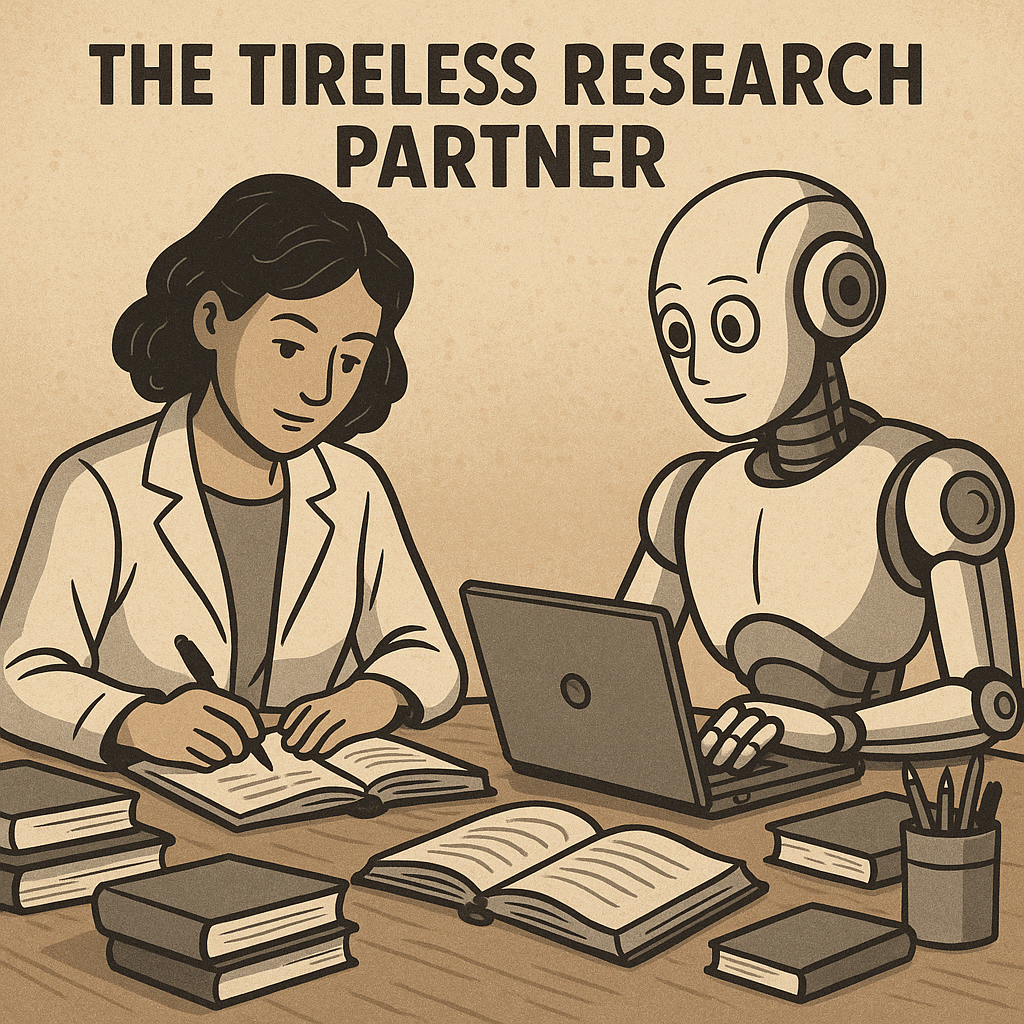
Now, imagine if you had a research assistant who never sleeps, can process billions of pieces of information instantaneously, and has a knack for spotting patterns no human can. That’s AI in a nutshell.
AI dives into huge datasets—chemical structures, genetic information, clinical results—and helps scientists figure out which molecules are most likely to succeed. Sometimes, it even creatively designs new drug candidates optimized for maximum benefit and minimal side effects.
What blew me away is that AI can also repurpose existing drugs. Instead of starting from zero, it sees hidden potential in medicines already out there, sometimes suggesting new and unexpected uses—a huge time saver.
And let’s not forget the clinical trial phase. AI helps narrow down which patients to enroll, predicts who might respond best, and monitors safety in real-time. This means trials can be shorter, safer, and more successful.
Real Results and What They Mean for Us
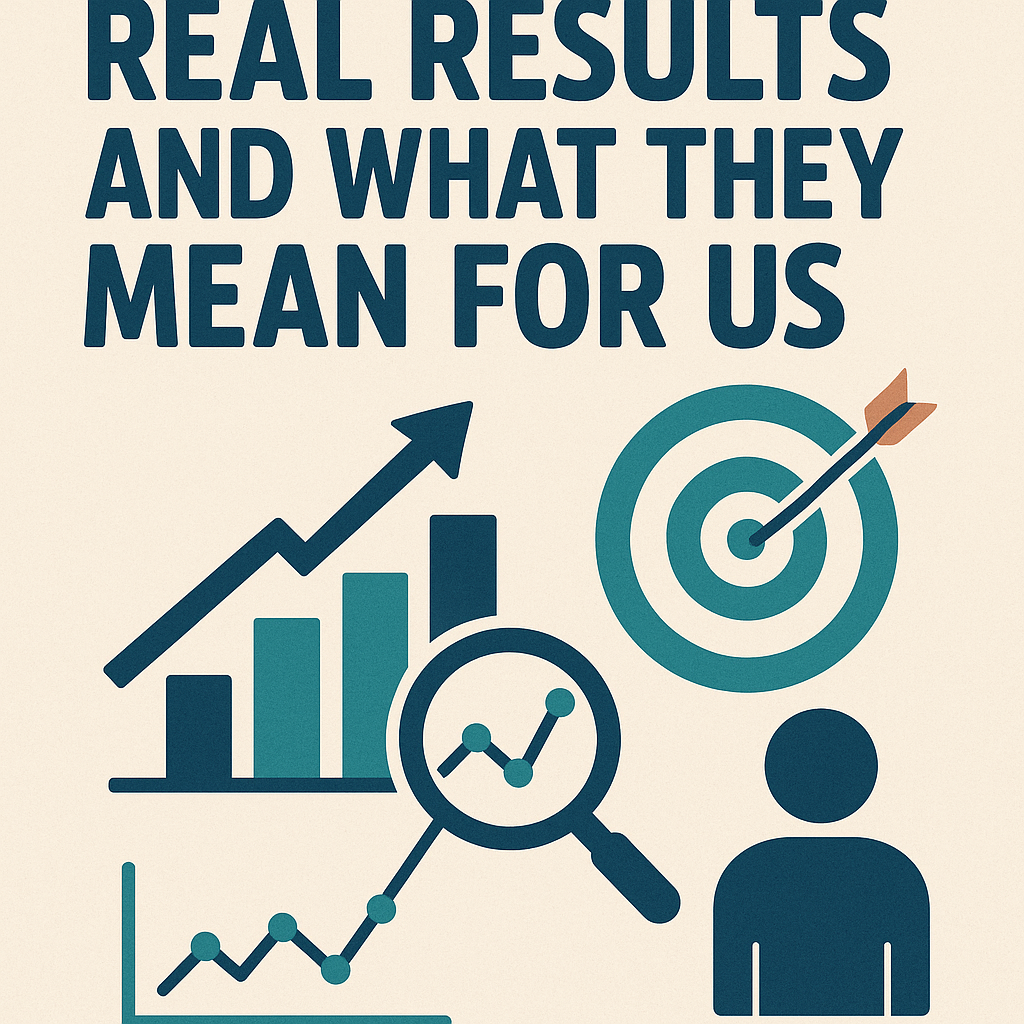
You might be wondering if AI’s just hype. But here’s the good news: AI-designed drugs are proving their mettle. They’re passing early stages of clinical trials at rates much higher than traditional drugs—think 80-90% success in early trials, compared to 50-70% without AI.
For me, this is huge. It means faster delivery of life-saving medicines and treatments better tailored to individual patients, potentially based on their unique genetic makeup. Imagine a future where medicine fits you like a glove, rather than the old “one size fits all” approach.
AI’s Role Doesn’t End There
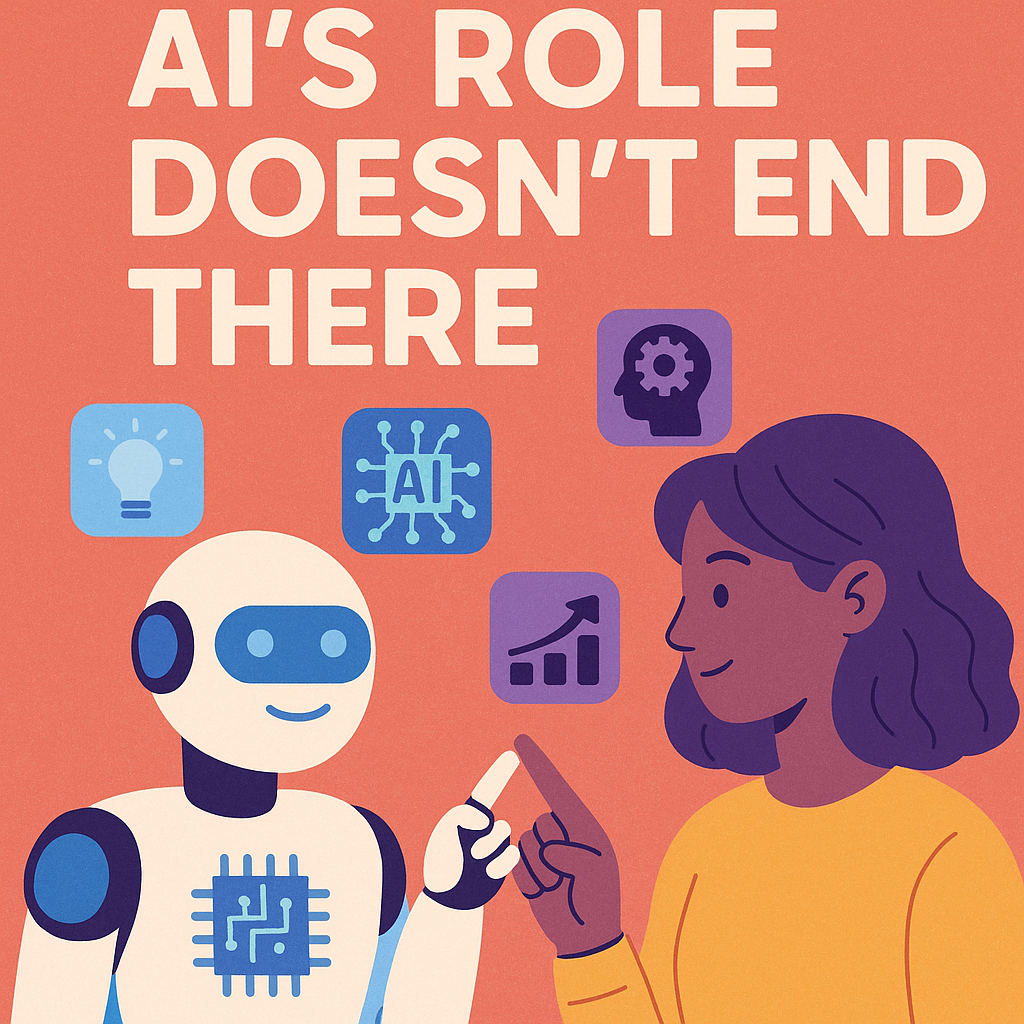
AI’s influence continues far beyond discovery. It’s part of the entire journey—from predicting adverse reactions in different patient groups, to helping manufacturers streamline production and ensure quality, to managing supply chains so medicines reach the people who need them most.
It’s like having a vigilant guardian at every step, working behind the scenes to smooth out bumps and speed things up.
But, Let’s Keep It Honest: AI Has Its Limits
It’s important to remember that AI doesn’t work miracles alone. It relies heavily on quality data. If the data fed to AI is flawed or biased, so will be the outcomes. That’s why human insight remains crucial to guide, check, and validate AI’s work.
There’s also the element of trust. Doctors, patients, and regulators must be confident AI’s suggestions are sound. Thankfully, organizations like the FDA are actively updating their regulations to keep pace with this evolving technology, balancing safety with innovation.
Why I’m Hopeful
All in all, I find this blend of human expertise and AI power inspiring. It holds the promise of revolutionizing not just how fast we get new treatments, but how personalized and effective those treatments can be.
Pharmaceutical companies that embrace AI today are planting seeds for the breakthroughs of tomorrow. And as someone who imagines a world where medicine feels truly personal and accessible, this is exciting.
Bringing It Back to Us
So, the next time you or a loved one benefits from a new medication, remember this: it might have AI quietly guiding its way through discovery, testing, and production to you.
AI is changing the behind-the-scenes story—from a slow, costly, and uncertain saga to one filled with hope, precision, and personalized care. And that, more than anything, is the reason this technology matters—not just in labs or boardrooms—but in the everyday lives of real people like you and me.